







Web applications are how businesses connect with customers, do business, and provide services in today's digital world. They're used for everything from online stores and banking to internal systems and teamwork tools. Basically, they're the main point of contact for many groups around the globe.
Because they're so common, these apps are big targets for cyberattacks. Hackers are always trying to find weak spots to steal data, commit fraud, and hurt reputations. That's where web penetration testing comes in. It's a way to find and fix these problems before attackers can get to them, keeping important data safe and making sure online operations stay reliable.


What Is Web Penetration Testing?

Web penetration testing, also called web pentesting, is like a fake cyberattack on a web application to find security holes and flaws. It's different from normal security scans that just look for known problems. Instead, skilled hackers try to act like real attackers. They don't just find bugs; they try to figure out how those bugs could be used in a real attack, what data could be stolen, and how it could hurt the business. This gives a much better idea of how safe an application really is.
Web penetration testing covers a lot of ground. It looks at the application's code and its surroundings, but also how it works with other systems, APIs, and user logins. Testers check for things like SQL Injection and Cross-Site Scripting (XSS), but also more complicated problems with how the application works, like issues with who is allowed to do what and unsafe data exposure. The aim is to find any weakness that someone could use to get into the system without permission, mess with data, stop services from working, or steal information.
In the end, web penetration testing gives a clear and useful look at how well a web application can stand up to cyber threats. It goes beyond just finding potential problems and shows how they could actually be used, which helps groups focus on the most important risks and fix them. By finding and fixing security holes early, groups can avoid data breaches, follow the rules, keep customers happy, and protect their brand.
Key Aspects of Web Penetration Testing
Web penetration testing has a few key things that make it different from other security checks and help it work well. First, it takes a good understanding of web technology, how applications are built, and how attacks usually happen. The hackers doing the testing need to know a lot about things like HTTP/S, different programming languages (like Python, Java, PHP, and JavaScript), databases, and how things work on the user's side. They also need to know how to use the OWASP Top 10, which is a list of common security problems, and understand more tricky problems with how applications work that normal tools might miss.
Second, it's important to use both automated tools and human experts. Automated scanners can find a lot of common problems quickly, but they often have trouble with complicated application logic, attacks that take several steps, and ways to get around security that are not obvious. Skilled testers can use their creativity and knowledge of how attackers work to combine small problems into big ones, copy what users do, and look for weaknesses in how the application works. This mix of tools and skills makes sure everything is checked and gives a more real sense of security.
Finally, it's really important to understand the context and application logic. Web penetration testing is not just about finding technical problems; it's about knowing how those problems could affect the application's business. Testers often look at how a problem could lead to fraud, stolen data, or services not working. This deep understanding of what the application is supposed to do and how data moves help testers find and focus on the risks that are most important and damaging to the group, leading to better advice on how to fix things.
Why Is Web Penetration Testing Important?
Web penetration testing is super important today because web applications are used for almost everything in business, and cyberattacks are always a threat. Since web applications are the main way to talk to customers, share data, and run operations, they're a good target for criminals. Without checking security through penetration testing, groups risk exposing customer data, financial info, and business plans, which can lead to data breaches and money loss.
Also, cyber threats keep changing, and web applications are updated quickly, so security needs to be watched all the time. New problems are found every day, and security can be forgotten when trying to release new features fast. Web penetration testing is a way to find new and old problems before attackers do. It's like a safety net that helps keep applications safe as they change.
Besides stopping threats, web penetration testing is also needed to follow rules and earn customer trust. Many rules and laws (like GDPR, HIPAA, PCI DSS, and ISO 27001) say that security checks, including penetration testing, must be done regularly for applications that handle sensitive data. Not doing these tests can lead to big fines and hurt a group's reputation. By doing web penetration testing, groups show they care about protecting user data, which builds trust and helps them succeed in the long run.
How Does Web Penetration Testing Work?
Web penetration testing usually follows a plan, starting with gathering information. Testers try to learn as much as they can about the web application without directly touching it, acting like an outside attacker. This might mean looking at public info, finding out what technologies are used, listing subdomains, studying APIs, and understanding how the application works. The goal is to get a good sense of the application's setup, where it might be attacked, and common ways to get in before starting any attacks.
After getting information, the main part of testing is finding and using vulnerabilities. Testers use different methods, tools, and their knowledge of web vulnerabilities to find security holes. This includes checking inputs for injection vulnerabilities (like SQL and XSS), testing logins to see if they can be bypassed, checking how sessions are handled, looking at how data is handled and encrypted, and checking application logic for problems. If a vulnerability is found, testers try to use it in a safe way to see how serious it is and what could happen (like getting unauthorized access, stealing data, or getting more privileges).
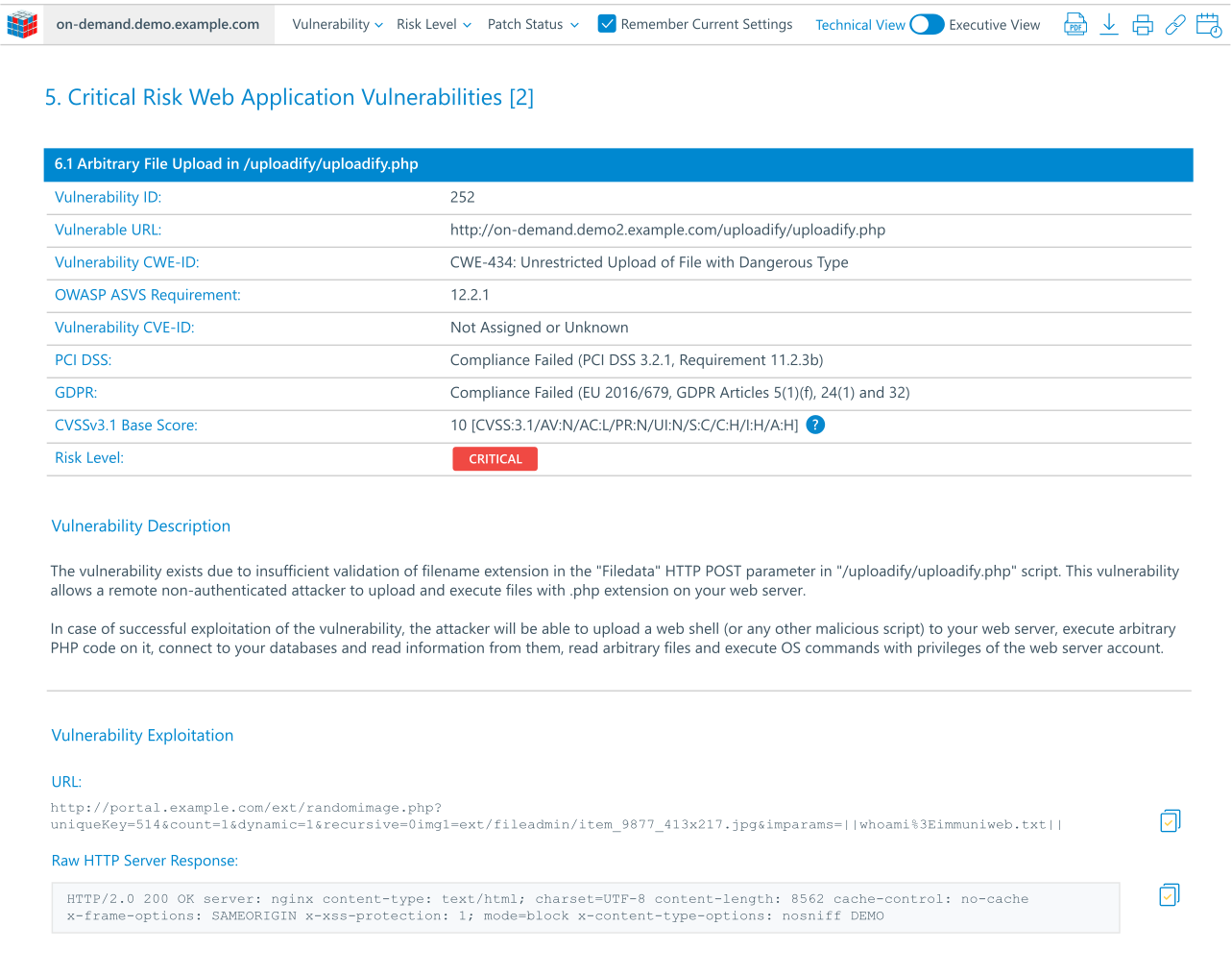
Finally, the process ends with a report and advice on how to fix things. Once vulnerabilities are found and used, the testers write down everything they found. This report includes details about each vulnerability, how to recreate it, how serious it is, and how it could affect the business. It also gives clear advice on how to fix things, often with code examples or configuration changes. This report is a guide for the developers to focus on and fix the security holes, making the web application stronger.
Types of Web Penetration Testing
Web penetration testing can be divided into different types based on how much information is given to the testing team. Each type gives a different view of how secure an application is.
Black Box Testing, also called external testing, is like an attack from a hacker who knows nothing about the web application. Testers only use the public parts of the application, just like a real attacker would. This is good for seeing how the application looks from the outside, finding easy-to-find vulnerabilities, and understanding what someone could do without any special information.
White Box Testing, also called internal testing, gives the testers full access to the web application's code, diagrams, server settings, and sometimes even test environments. This allows for a deeper look at the application's security, as testers can check the code for hidden problems, unsafe coding, logic flaws, and weak encryption that might not be seen from the outside. White box testing is good for finding complicated vulnerabilities and making sure secure coding rules are followed.
Gray Box Testing is a mix of both, where testers are given some information about the application, like access to some features, test accounts, or documentation, but not full access to the code. This is meant to be like an attack from someone inside or a user who has been hacked, giving a more real sense of potential threats from people with some access. The type of testing chosen depends on the specific security goals, how well the application is made, and what resources are available.
Components of Web Penetration Testing
A good web penetration test involves checking a few important parts that all add to the security of a web application.
The first is the web application code and logic itself. Testers carefully check the code for common vulnerabilities like injection flaws (SQL, command, LDAP), cross-site scripting (XSS), insecure object references (IDOR), and security problems. They also look at the application's specific logic to find flaws in how it works, like incorrect permissions, race conditions, or workflow problems that could be used to get unauthorized access or change data.
Second, the APIs and backend services that the web application uses are important. Web applications often use APIs to talk to databases, microservices, and other systems. Testers check these APIs for vulnerabilities, including problems with login, permissions, data exposure, and input validation, which could let an attacker bypass security and directly affect backend systems or data. The security of these services is key to the overall application security.
Finally, the login, permissions, and session handling are checked carefully. This means looking at how users log in (like password rules and multi-factor authentication), how their permissions are managed (like roles and privilege escalation), and how user sessions are handled securely (like session tokens and expiration). Weaknesses in these areas can let attackers pretend to be users, get unauthorized access to features or data, or stay in the application for a long time, so they are a main focus of testing.
Benefits of Web Penetration Testing
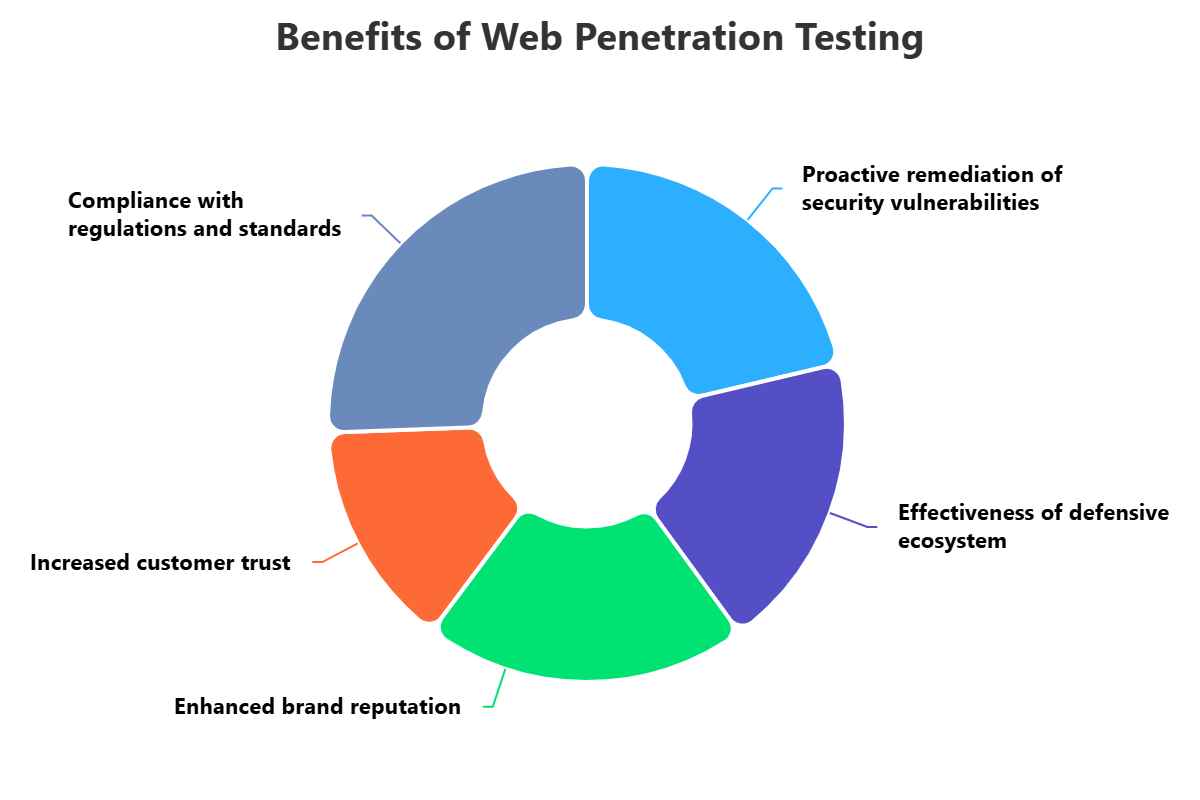
The benefits of doing web penetration testing regularly are big and important for any group online. A main benefit is finding and fixing security holes before they can be used by attackers. By acting out real attacks, groups can find weaknesses that scanners might miss, allowing them to fix systems, change application settings, and make controls stronger. This greatly lowers the chance and effect of a cyberattack, which can prevent data breaches, reputation damage, and money loss.
Also, web penetration testing helps groups follow industry rules and standards. Many data protection laws (like GDPR, HIPAA, and CCPA) and frameworks (like PCI DSS and ISO 27001) say that security checks, including penetration testing, must be done for web applications that handle sensitive data. Doing these tests shows that the group is being careful, helping them meet rules, avoid fines, and keep certifications, which is more and more important for business.
Besides security and rules, web penetration testing also helps improve brand reputation and customer trust. With data breaches becoming common and public, users care a lot about the security of their online activity. By doing security testing, groups show they are committed to protecting user data, building trust in their web applications. This trust can lead to more users, loyalty, and a stronger advantage in the market, protecting the long-term success of online plans.
Challenges of Web Penetration Testing
Even though it's important, web penetration testing has challenges which groups and testers have to deal with. One challenge is how fast web applications are developed and released. Web applications are often updated with new features every day or week. Doing careful manual tests for every release can take a lot of time and money, making it hard to keep up with testing without slowing things down.
Another problem is how complex web applications and their systems are. Today's applications are often built with microservices, use third-party APIs, connect with cloud services, and use different technologies. This makes it hard for testers to understand the entire attack surface, map data correctly, and find vulnerabilities that affect different parts, needing a lot of skills and tools.
Finally, it's hard for automated tools to find complicated application logic flaws and attacks that take several steps. Scanners are good at finding common vulnerabilities, but they often don't understand the specific logic of an application. This means they might miss ways to bypass permissions, tricky financial problems, or attacks that need human intelligence and effort to find, showing how important skilled testers are.
Best Practices for Web Penetration Testing
To get the most out of web penetration testing, groups should follow a few best practices. First, set clear goals before starting any test. This means deciding which web applications or APIs to test, what type of testing to do, what results are wanted, and which third-party integrations to include. A clear scope makes sure the testing is focused, covers important areas, and gets useful results.
Second, add web penetration testing to a security plan, testing at different stages. Instead of just testing before release, do security testing from the start, like during design and development. This helps find vulnerabilities early when they are cheaper and easier to fix, instead of right before or after a release, which can cause delays and risk.
Finally, focus on the biggest risks and give clear advice on how to fix things. A long list of vulnerabilities can be confusing. Reports should sort findings by how serious they are, how easy they are to use, and how they could affect the business. They should also give clear advice on how to fix things, like code examples or configuration steps. Good talking between the security and development teams is needed to make sure vulnerabilities are understood and fixed efficiently, leading to better security.
How ImmuniWeb Can Help with Web Penetration Testing?
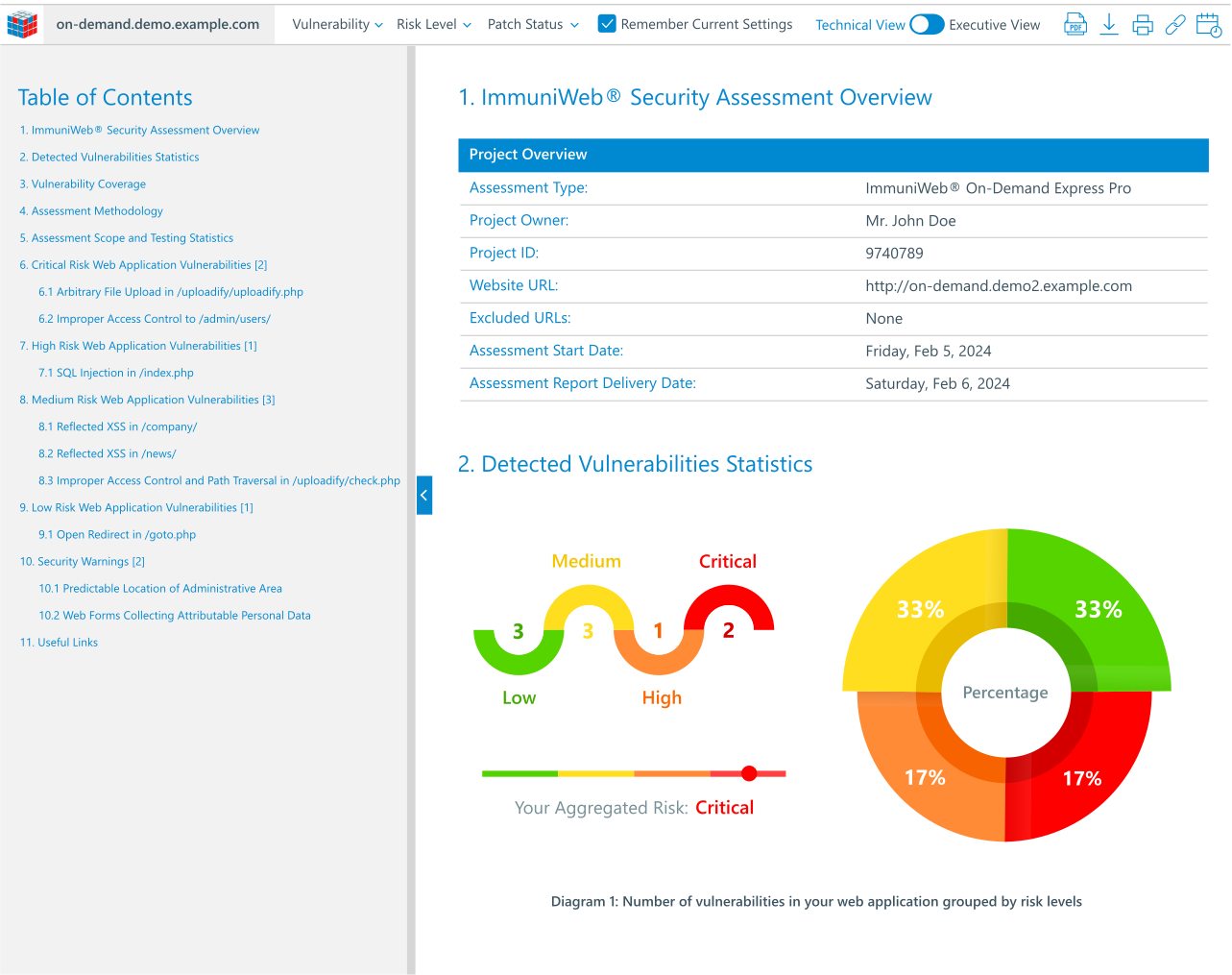
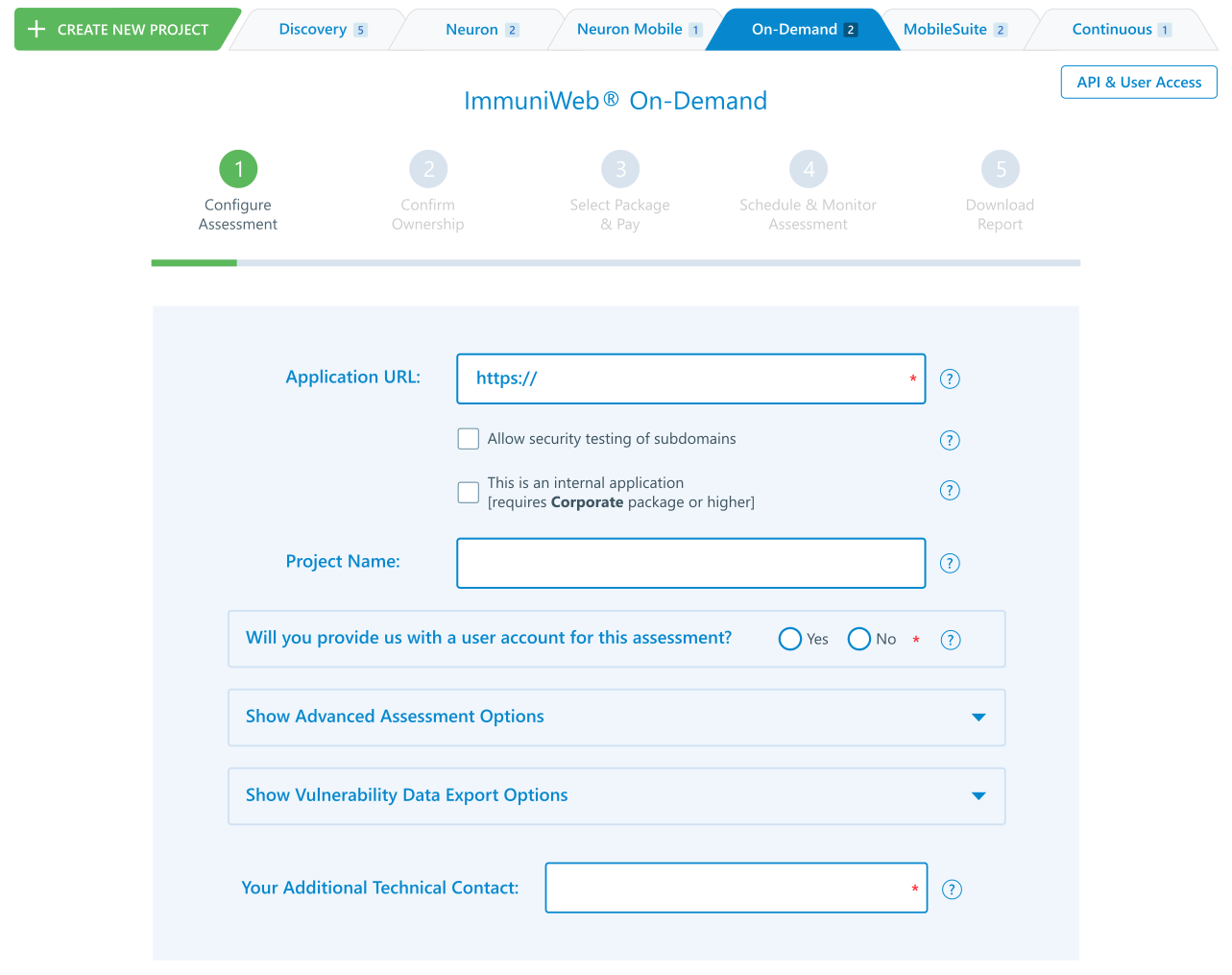
Test your web applications and APIs for SANS Top 25 and OWASP Security Top 10 vulnerabilities with ImmuniWeb® On-Demand web penetration testing. Customize your web penetration testing scope and requirements, schedule the penetration testing date and download your penetration testing report. The penetration testing is accessible around the clock 365 days a year.
Our web application penetration testing is equipped with a contractual zero false positives SLA and a money back guarantee: if there is a single false positive in your web penetration testing report, you get the money back. Detect all vectors of privilege escalation, authentication bypass, improper access control, and other sophisticated business logic vulnerabilities in your web applications and APIs, both in a cloud environment and on-premise. Discover privacy and compliance misconfigurations in your web applications that may lead to penalties for non-compliance.
The web penetration testing is provided with unlimited patch verification assessments, so your software developers can first fix the problems and then verify if the vulnerabilities have been properly remediated. Download your penetration testing report in a PDF format or export the vulnerability data into your SIEM or WAF via our DevSecOps and CI/CD integrations. Enjoy 24/7 access to our security analysts may you have any questions or need assistance during the web penetration test.
Disclaimer
The above-mentioned text does not constitute legal or investment advice and is provided “as is” without any warranty of any kind. We recommend talking to ImmuniWeb experts to get a better understanding of the subject matter.


















 API Penetration
 API Security
 Application Penetration
 Application Security
 Attack Surface
 Automated Penetration
 Cloud Penetration
 Cloud Security
 Continuous Automated
 Continuous Breach and
 Continuous Penetration
 Continuous Threat
 Cyber Threat
 Data Security Posture
 Dark Web
 Mobile Penetration
 Mobile Security
 Network Security
 Penetration
 Phishing Websites
 Third-Party Risk
 Threat-Led
 Web Penetration
 Web Security